Explore

Different ways to explore CLM, its challenges and what may come next.
Client Lifecycle Management can be approached from many directions: through performance, operating models, risk, architecture, technology, practical problems or emerging possibilities.
This section brings together the wider areas of the site for those who want to explore particular questions, methods or ideas in greater depth.
Understanding CLM
Client Lifecycle Management is more than onboarding or KYC. It is the capability through which a bank establishes, understands, governs and maintains its client relationships over time. Explore the overall model first, then go deeper into what CLM manages, what happens through the lifecycle, how the capability works, and what determines whether it performs effectively.
Understanding CLM
Explains what Client Lifecycle Management is, how it works across the lifecycle, and the core concepts, structures and capabilities that make it effective.

What CLM Manages
CLM manages the core objects, relationships, classifications and permissions that define how a client participates with the bank. This includes identities, entities, roles, relationships, business arrangements, contracts, products, documents, identifiers and the regulatory or risk determinations that govern what activity is allowed.
Assessments
Assessments determine the bank’s current view of the risks, eligibility and suitability associated with an entity, relationship, arrangement or activity. They draw on available information to support decisions, identify required mitigations, and help determine whether business can proceed and on what terms.

Business Arrangements
Every financial business arrangement has a purpose and carries risk. Explore how economic objectives give rise to arrangements, how participants perform different roles, and how obligations, dependencies and risks connect across the financial system. Discover why business arrangements underpin banking products and give substance to client relationships.

Clients
A client is more than a single legal entity. It is the bank’s business relationship with the people and entities participating in current or prospective business, together with the roles, relationships and arrangements that define how that business is conducted.

Conditions
Conditions define the requirements that must be satisfied for a relationship, arrangement, permission or activity to proceed or remain valid. They may arise from regulation, policy, risk decisions, contractual terms or mitigations, and need to be monitored as circumstances change.
Contracts
Contracts provide the legally enforceable framework for business arrangements. This page explores how contracts identify parties, create rights and obligations, impose conditions, change through their lifecycle, support products and influence permissioning — while remaining distinct from the wider business relationship they help govern.
Documents
Documents provide the evidence that supports identity, assessments, decisions, permissions and ongoing control. CLM must know what each document relates to, whether it is current and valid, and when it needs to be refreshed, replaced or retained.

Entities
Entities exist independently of the bank, but must be recognised and represented consistently across its activities. Explore what constitutes an entity, how entities differ from roles, relationships and identity, and why a persistent entity record is essential for connecting information, managing risk and maintaining continuity across the bank.

Events
Events are changes or occurrences that can affect a client, entity, relationship, arrangement, assessment or permission. CLM must recognise relevant events, determine their significance, and trigger the appropriate review, decision, update or control response.

Identifiers
Examines how a bank establishes exactly who it is dealing with, creates one authoritative internal identity, and reuses that identity across KYC, Credit, risk and other banking processes.

Identity
Examines how a bank establishes exactly who it is dealing with, creates one authoritative internal identity, and reuses that identity across KYC, Credit, risk and other banking processes.

Mitigation
Mitigations are the measures the bank applies to reduce, constrain or control identified risks. They may include enhanced due diligence, additional approvals, limits, restrictions, monitoring or other conditions, and must remain linked to the risk they are intended to address.

Obligations
Obligations are the ongoing requirements that arise from regulation, policy, contracts, permissions or business arrangements. CLM must know who or what they apply to, what must be done, by when, and whether those obligations continue to be satisfied over time.
Permissions
Permissions define what a client, entity, role, relationship or arrangement is authorised to do with the bank. They are granted only when required assessments, conditions and mitigations are satisfied, and must remain current as risks, regulations and business circumstances change.
Product Enablement
Product Enablement turns an approved permission into an operational capability. It establishes the downstream accounts, identifiers, entitlements, booking arrangements and other setup needed for the client to access and use the product in practice.
Products
Products are the banking capabilities, services or facilities that clients may seek to use. Each carries its own eligibility, regulatory, contractual, operational and risk requirements, which CLM must understand before access can be permitted and enabled.

Regulatory Eligibility & Classification
Regulatory eligibility and classification determine which rules apply to a client, entity, relationship, arrangement or activity, and whether the proposed business can proceed. They translate regulatory requirements into clear classifications, restrictions and prerequisites that CLM can apply consistently.
Relationships
Explores how relationships connect entities across the economy, create value and dependency, transmit risk, and shape what the bank needs to understand, monitor and manage across the client lifecycle.

Roles
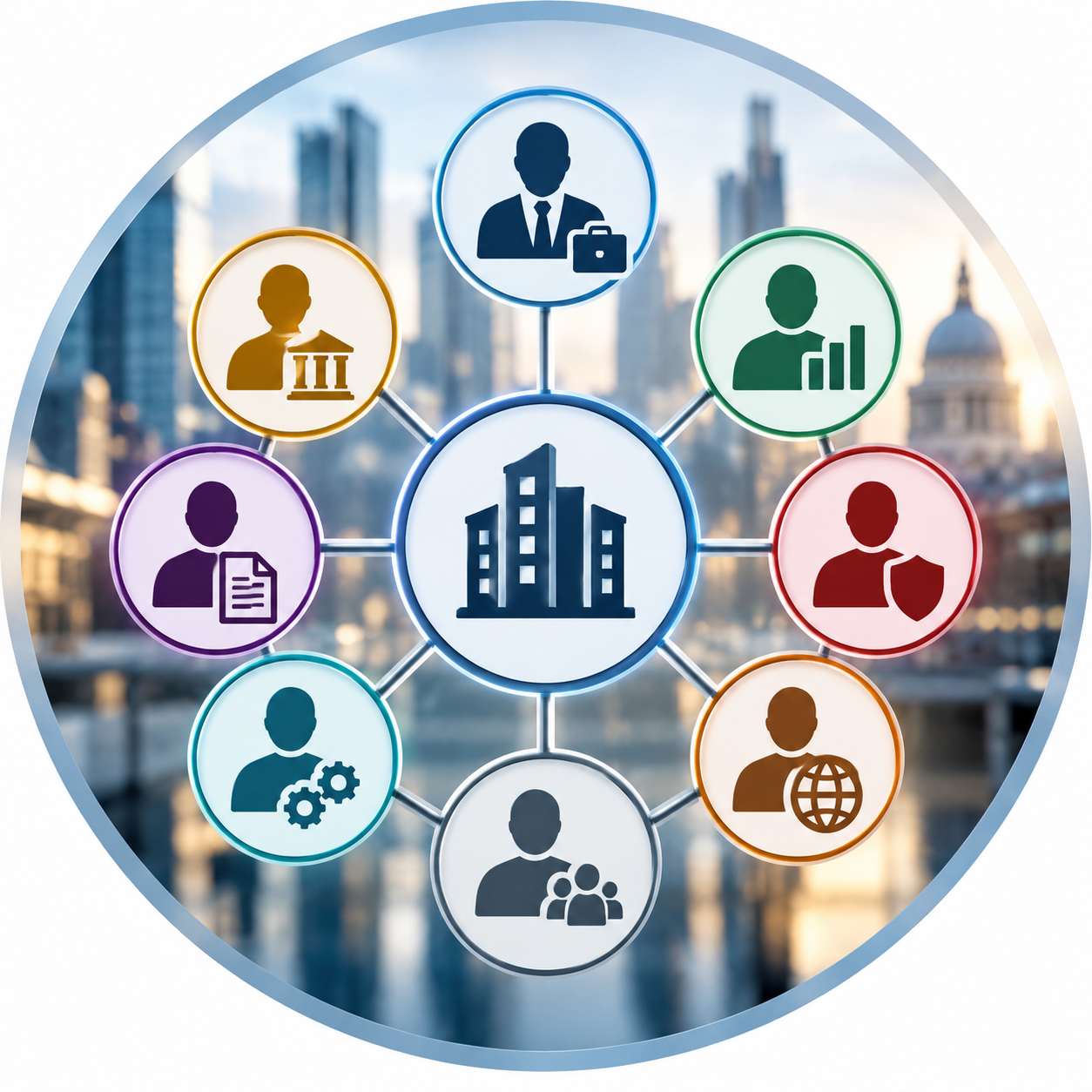
Explores why financial markets depend on participants performing specialised roles, and why role is much more than a label. It shows how roles shape relationships, arrangements, contracts, risk, eligibility, permissions and lifecycle events, turning identity into a usable model of participation and action for the bank.
What Happens Through The Lifecycle
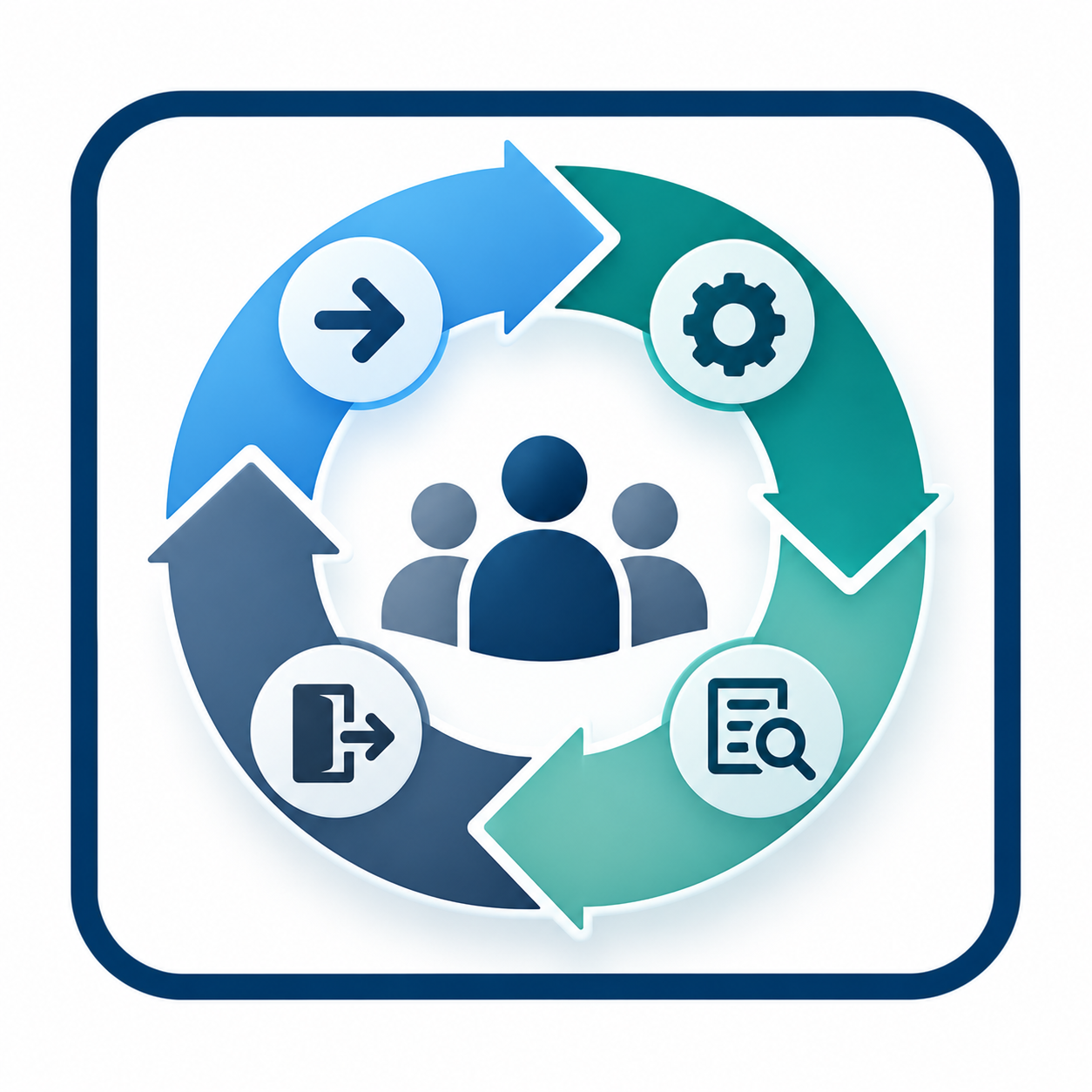
CLM manages change over time. Clients, entities, relationships, arrangements, assessments and permissions are established, maintained, reviewed, changed and eventually terminated as business and risk circumstances evolve.
This section will cover:
Onboarding / Establishment
Maintenance / Review
Offboarding / Termination
How CLM Makes It Work
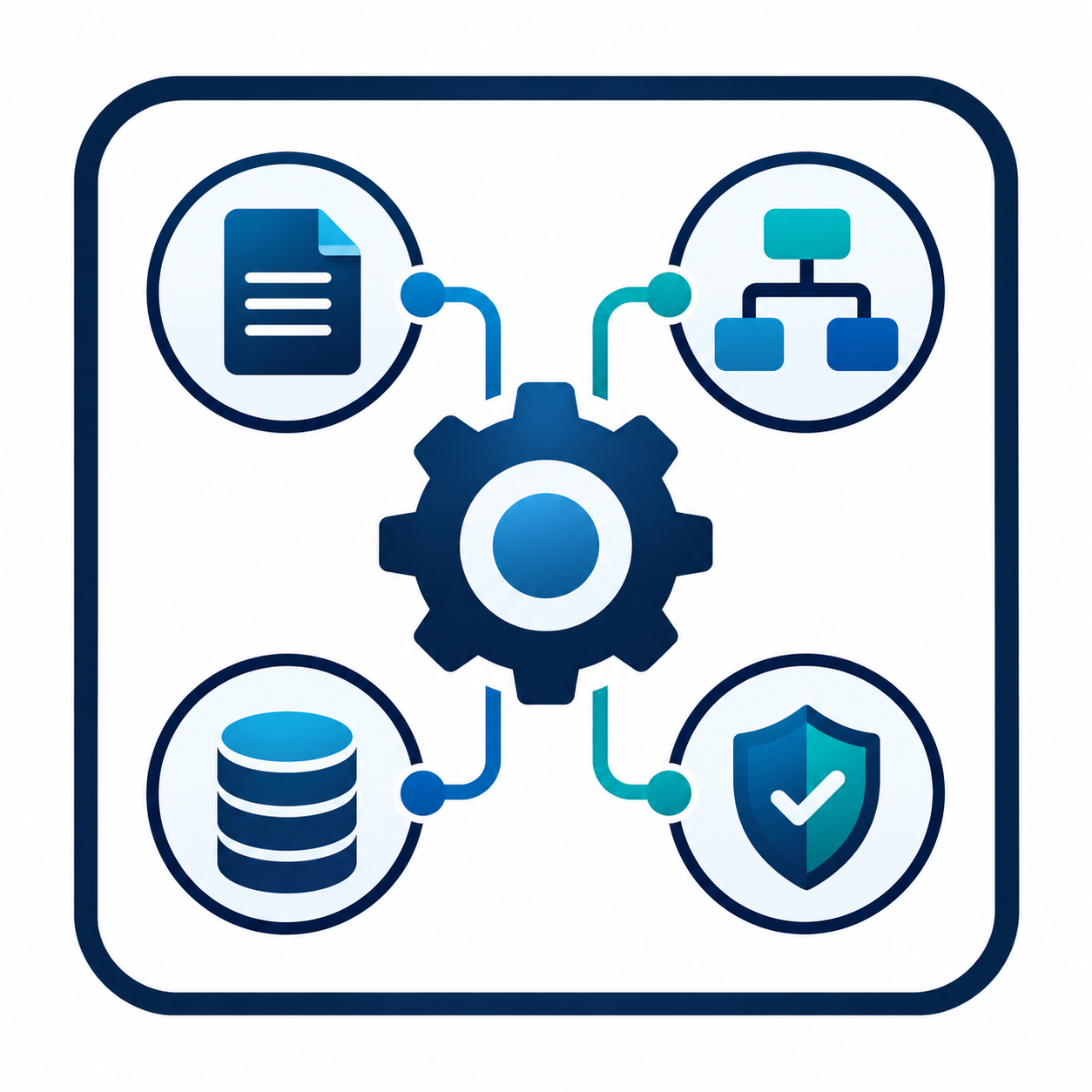
CLM depends on more than processes and technology. It brings together orchestration, data, systems, governance, controls, decisioning and operating responsibilities so that client activity can be managed consistently, efficiently and under authoritative control.
CLM Performance
Explores what drives effective CLM performance, how competing demands are balanced, and the operating conditions needed for the capability to work reliably at scale.

Explore Further
What is New and in Development
Aspects of CLM which I am developing or recently added to this website.

Frameworks & Methods
Structured ways to diagnose, design and improve CLM
Frameworks, models, principles and methods can help organise complexity, make assumptions explicit and provide a stronger basis for design and decision-making.

Questions & Challenges
Using practical questions to uncover the wider issues behind them
Some CLM questions have straightforward answers. Others reveal deeper problems involving operating models, data, controls, governance, technology, risk or performance.

Design the Future
Exploring new approaches as technology and the operating environment change
AI, modern data, new technology and changing external conditions create opportunities not simply to improve existing CLM, but to reconsider how the capability could work.

Perspectives
Ideas, developments and different ways of looking at CLM
Perspectives examines emerging themes, challenges established assumptions and considers developments that may influence decisions being made today.

Enterprise Participation Architecture
Extending the view beyond client relationships
Enterprise Participation Architecture explores the broader ways in which a bank participates in the economic and financial system through clients, counterparties, markets, infrastructure, funding and other relationships.
The Site Will Continue to Evolve
The areas within Explore will continue to develop as new questions, practical experience, technologies and perspectives emerge.
The objective is not to create a fixed body of doctrine, but to provide useful ways to understand, challenge and improve how Financial Institutions manage their participation in an increasingly complex environment.